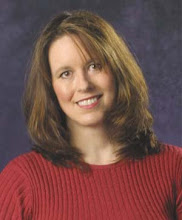
We receive our first donation for Colby's Army today. I am shocked, stunned, excited, for this validates the dream, the vision, the words I had of this nonprofit organization just days after Colby's passing. This means it is real, that others also believe we can take Colby's ideas and change the world, one step at a time. All Colby wanted to do was "affect change," positive change. This is the first thing I have been excited about in a very long time.
Just days ago Colby's Army received word that it was an official 501(c)3 nonprofit in every sense of the word. That I felt mildly pleased about, but I expected it to happen. I knew the paperwork was in order. But I was not ever sure others, strangers, people who do not know Colby or me, would also see the vision, also believe, even though there is a wonderful, professional group of directors in place, a board of directors, all of whom who are passionate about the cause.
Despite very limited finances Colby's Army is already helping others, has helped others, and will continue to do so. The donations mean we can kick off programs, get more people involved, and help many more. I am thrilled that we can do this for Colby, in memory of Colby, and for the people and animals whose lives will be improved.
It is also wonderful to feel something other than pain and anguish, despair, hurt, sadness, helplessness. I was not sure I could feel anything other than those feelings anymore. I like knowing other options are there to tap into. I have spent the last six and a half months crying and today I also cry, but these are good tears, tears of possibility, of hope. These tears give me a reason to live and that's something I have not had since Colby passed.
Monday, February 15, 2010


Dreamcatchers
Today I put the CDs aside to tackle Colby’s backpacks. He had eleven of them and after he became homeless he hid them in handy spots all around town. Some were at the homes of friends, others were tucked under bushes or hung in trees. Depending on where he was, he could find any one of them and have provisions. He stocked each of the backpacks with a variety of food, plastic, can openers, reading material, hygiene and first aid items . . . and a dreamcatcher.
Dreamcatchers originated in the Ojibwa (Chippewa) Nation, but during the 1960s and 1970s they were adopted by many other Nations. A typical dreamcatcher is made by tying strands in a web around a small round or tear-shaped frame. The resulting “dreamcatcher" is hung above the bed in hopes that it will protect those sleeping beneath it from nightmares. Many also believe that a dreamcatcher can change a person's dreams and that only good dreams are allowed to filter through. Bad dreams are caught in the net, where they perish in the light of dawn.
Colby loved history and studied the cultures of many people, including Native peoples across the world. He got his first dreamcatcher when he was eleven, when he came along on the Trail of Hope. This was where one of my clients arranged for five semi truckloads of books, personal care items, computers, blankets, etc. to be given to ten Native American communities. A number of us came along to help unload the trucks. Colby was one of them. It was a life-changing experience for him and I believe he got his empathy for those less fortunate from that trip.
Today, as I unpack each of the backpacks, it isn’t long before I realize every pack has a dreamcatcher. I find that incredibly uplifting, sad, and profound all at the same time. My emotions get the better of me and I sit on the floor of his room, surrounded by backpacks, and I cry. I hope so very much that the dreamcatchers did keep bad dreams away from Colby. I also hope they brought him good memories, fond memories, and I hope that in some way they brought him a little bit of piece. And, I am so very glad that Colby is now in a place where he will never need a dreamcatcher again. All of these feelings and emotion and anxiety leave me exhausted. Drained. I pick up the dreamcatchers and place them around the house. Now, whenever I see them I will think good thoughts of Colby. I even put one by my bed. I typically do not have nightmares, but . . . just in case.
Dreamcatchers originated in the Ojibwa (Chippewa) Nation, but during the 1960s and 1970s they were adopted by many other Nations. A typical dreamcatcher is made by tying strands in a web around a small round or tear-shaped frame. The resulting “dreamcatcher" is hung above the bed in hopes that it will protect those sleeping beneath it from nightmares. Many also believe that a dreamcatcher can change a person's dreams and that only good dreams are allowed to filter through. Bad dreams are caught in the net, where they perish in the light of dawn.
Colby loved history and studied the cultures of many people, including Native peoples across the world. He got his first dreamcatcher when he was eleven, when he came along on the Trail of Hope. This was where one of my clients arranged for five semi truckloads of books, personal care items, computers, blankets, etc. to be given to ten Native American communities. A number of us came along to help unload the trucks. Colby was one of them. It was a life-changing experience for him and I believe he got his empathy for those less fortunate from that trip.
Today, as I unpack each of the backpacks, it isn’t long before I realize every pack has a dreamcatcher. I find that incredibly uplifting, sad, and profound all at the same time. My emotions get the better of me and I sit on the floor of his room, surrounded by backpacks, and I cry. I hope so very much that the dreamcatchers did keep bad dreams away from Colby. I also hope they brought him good memories, fond memories, and I hope that in some way they brought him a little bit of piece. And, I am so very glad that Colby is now in a place where he will never need a dreamcatcher again. All of these feelings and emotion and anxiety leave me exhausted. Drained. I pick up the dreamcatchers and place them around the house. Now, whenever I see them I will think good thoughts of Colby. I even put one by my bed. I typically do not have nightmares, but . . . just in case.
Friday, February 12, 2010
Books
Colby had thousands of books and many of them he had listed for sale online. The books were spread out over five rooms and other than his personal collection (which numbered about five hundred) none of the books were organized. Lack of organizational skills was part of Colby's dysgraphia disability, along with writing, knot tying, and math calculation. It takes me more than six months but I have examined each book, categorized it, evaluated it for online sales listing, and then either kept it or given it away.
Several hundred books went to Grandpa's House a Nashville-based program for men with mental illness and addiction. About a hundred were so damaged they went in the trash. Several I kept, and I carted more than forty boxes of books to the Goodwill. I still have about two hundred books from Colby's personal collection that I will keep for a while . . . or longer.
The reason this is important is that I carried the last box of books to the Goodwill today. This sorting through thousands of books has taken a good portion of my time. Plus, it was important to move them out so I can begin evaluating, organizing, sorting, categorizing and moving other groups of items such as his hundred or so DVDs, VHS tapes, and video games. There are also several hundred CDs and CD cases in various bags and boxes, and stacked loosely on shelves. Of course none of the CDs are actually in the cases or any where near the case they belong to. I will begin matching those up next. That could take me another six months. At least CDs are smaller than books.
The work is tiring, boring, mind-numbing. But in doing it I feel close to Colby. These were his things, things that were important to him, that meant something to him. The best I can do is keep the ones we were both connected to and find homes for the rest. They do no one any good sitting in a box or on a shelf. Colby would want this music that he loved so much to be appreciated by others. And it will be . . . many months from now.
Several hundred books went to Grandpa's House a Nashville-based program for men with mental illness and addiction. About a hundred were so damaged they went in the trash. Several I kept, and I carted more than forty boxes of books to the Goodwill. I still have about two hundred books from Colby's personal collection that I will keep for a while . . . or longer.
The reason this is important is that I carried the last box of books to the Goodwill today. This sorting through thousands of books has taken a good portion of my time. Plus, it was important to move them out so I can begin evaluating, organizing, sorting, categorizing and moving other groups of items such as his hundred or so DVDs, VHS tapes, and video games. There are also several hundred CDs and CD cases in various bags and boxes, and stacked loosely on shelves. Of course none of the CDs are actually in the cases or any where near the case they belong to. I will begin matching those up next. That could take me another six months. At least CDs are smaller than books.
The work is tiring, boring, mind-numbing. But in doing it I feel close to Colby. These were his things, things that were important to him, that meant something to him. The best I can do is keep the ones we were both connected to and find homes for the rest. They do no one any good sitting in a box or on a shelf. Colby would want this music that he loved so much to be appreciated by others. And it will be . . . many months from now.
Thursday, February 11, 2010
Intervention
Today I am involved in an intervention. A young man with mental illness and addiction needs help. This kind young man was an acquaintance of Colby's, and has an addiction to cough syrup. I am surprised to find that cough syrup is one of the leading types of addiction. This is especially scary because, like prescription drugs, most cough syrups can be purchased over the counter. An overdose can cause extreme psychosis and even death.
Five family members and a social worker are also at the intervention. They have a place for the young man to go: a dual diagnosis center that can help. The young man is angry. He says he can't have a problem; cough syrup is legal. He is given a choice of going to the treatment facility or to the Nashville Union Rescue Mission. The choice is his. He says he will go to the Mission and runs upstairs to gather his things.
When he comes back down minutes later he looks for an out. He rationalizes and decides to go to the treatment facility. The real possibility of the Mission, the streets, and homelessness have frightened him. He is still angry, but a ride awaits and he gets in. I hear later that he checked in safely. He made a good choice. He has a hard road ahead, but he also has a chance at a long, productive life.
Another person was at the intervention, one of the Board members for Colby's Army, the nonprofit organization several others and I founded in memory of Colby. I have not mentioned this in a while as we have been laying the organization's foundation. You can learn more at ColbysArmy.org, but one of the things we do is help people with mental illness and addiction, like this young man today, get the help they need. That did not happen for Colby. But it can happen for others and we will help many. Today's young man was just the first.
Colby's Army recently got the okay to accept tax-deductible donations and every cent will go to help people with mental illness and addiction, as well as animals and the environment, causes that were very close to Colby's heart. There are several programs in the works, which will be kicked off as funding allows. I think Colby would be pleased. I think that because I felt Colby at the intervention today. I felt his spirit in the room. To me, that was his unconditional stamp of approval. I miss you, son.
Five family members and a social worker are also at the intervention. They have a place for the young man to go: a dual diagnosis center that can help. The young man is angry. He says he can't have a problem; cough syrup is legal. He is given a choice of going to the treatment facility or to the Nashville Union Rescue Mission. The choice is his. He says he will go to the Mission and runs upstairs to gather his things.
When he comes back down minutes later he looks for an out. He rationalizes and decides to go to the treatment facility. The real possibility of the Mission, the streets, and homelessness have frightened him. He is still angry, but a ride awaits and he gets in. I hear later that he checked in safely. He made a good choice. He has a hard road ahead, but he also has a chance at a long, productive life.
Another person was at the intervention, one of the Board members for Colby's Army, the nonprofit organization several others and I founded in memory of Colby. I have not mentioned this in a while as we have been laying the organization's foundation. You can learn more at ColbysArmy.org, but one of the things we do is help people with mental illness and addiction, like this young man today, get the help they need. That did not happen for Colby. But it can happen for others and we will help many. Today's young man was just the first.
Colby's Army recently got the okay to accept tax-deductible donations and every cent will go to help people with mental illness and addiction, as well as animals and the environment, causes that were very close to Colby's heart. There are several programs in the works, which will be kicked off as funding allows. I think Colby would be pleased. I think that because I felt Colby at the intervention today. I felt his spirit in the room. To me, that was his unconditional stamp of approval. I miss you, son.
Sunday, February 7, 2010
Supplies
The dream is in black and white, like a pencil drawing with no shading. Just black areas and white areas. No gray. Colby is driving a Jeep and I am sitting in the passenger seat next to him. Colby's hair is longer and darker and messier than when I have seen it in other dreams, and his clothes are spattered with mud. The Jeep is also mud spattered. It has a stick shift and Colby's entire body is turned toward me, including his right calf, which rests on the seat next to the stick shift, his lower leg bent back toward him. If there is a top on the Jeep it is either folded down or has been removed. The temperature is perfect. I feel neither warm or cold.
There is no steering wheel or gas pedal in the Jeep, but somehow we navigate through a large area of rubble. Colby uses the stick shift a few times, but I can't tell how that affects where we are going or how we get there. We are talking in this dream, but we do not say anything; the conversation between us is in our heads. I am so happy to see that Colby is relaxed, at ease with himself, and confident.
Colby tells me he spends his time helping people in this Jeep and he is taking me to where he will be working this day. Soon after that we come to a stop. The area where we are is still littered with rubble and in the near distance people mill about. Colby tells me he is bringing the people supplies. Surprised, because I did not feel like we were hauling anything, I turn around to look in the back of the Jeep. The supplies we are bringing are not those kinds of supplies, he says.
I ponder that for a while and then ask why we do not get out and bring the supplies to the people. Colby replies that the people have to come to us. I watch the people and comment that the people act as if they do not know we are here. It's okay. Some will see us, he says. Some will come for the supplies. I have the feeling that the supplies are in the form of information or guidance, and I wake up then, not knowing if the people are here on Earth or over in Colby's world.
There is no steering wheel or gas pedal in the Jeep, but somehow we navigate through a large area of rubble. Colby uses the stick shift a few times, but I can't tell how that affects where we are going or how we get there. We are talking in this dream, but we do not say anything; the conversation between us is in our heads. I am so happy to see that Colby is relaxed, at ease with himself, and confident.
Colby tells me he spends his time helping people in this Jeep and he is taking me to where he will be working this day. Soon after that we come to a stop. The area where we are is still littered with rubble and in the near distance people mill about. Colby tells me he is bringing the people supplies. Surprised, because I did not feel like we were hauling anything, I turn around to look in the back of the Jeep. The supplies we are bringing are not those kinds of supplies, he says.
I ponder that for a while and then ask why we do not get out and bring the supplies to the people. Colby replies that the people have to come to us. I watch the people and comment that the people act as if they do not know we are here. It's okay. Some will see us, he says. Some will come for the supplies. I have the feeling that the supplies are in the form of information or guidance, and I wake up then, not knowing if the people are here on Earth or over in Colby's world.
Friday, February 5, 2010
Beliefs
One of my counseling exercises is to write down what I believe. That varies from day-to-day, hour-to-hour. Wavering feelings are, apparently, typical of grieving parents. But right now I believe that:
• Colby lived and died as he was meant to
• If I ask the right questions and pay attention, Colby left many answers
• Mourning is a learning experience
• Colby is still here and he lives inside me and everyone who knew him
• Colby is still teaching me how to live
• Words that express how I feel about Colby and his passing do not exist
• Death does not end a relationship, it just changes how we communicate.
• Parents that have lost children are broken, and when they are put back together there is a part missing
• No one grieves in exactly the same way
• Death leaves a heartache no one can heal and love leaves a memory no one can steal
• Colby lived and died as he was meant to
• If I ask the right questions and pay attention, Colby left many answers
• Mourning is a learning experience
• Colby is still here and he lives inside me and everyone who knew him
• Colby is still teaching me how to live
• Words that express how I feel about Colby and his passing do not exist
• Death does not end a relationship, it just changes how we communicate.
• Parents that have lost children are broken, and when they are put back together there is a part missing
• No one grieves in exactly the same way
• Death leaves a heartache no one can heal and love leaves a memory no one can steal
• In the big picture, material things do not matter
• Nothing in my life has prepared me to mourn the passing of my child
• I am more overwhelmed now than at any other time in my life
• I often feel helpless, but not hopeless
• Colby is far happier now than he ever was here on Earth
• Nothing in my life has prepared me to mourn the passing of my child
• I am more overwhelmed now than at any other time in my life
• I often feel helpless, but not hopeless
• Colby is far happier now than he ever was here on Earth
Thursday, February 4, 2010
Women
I am standing in a field crowded with women. There are thousands of us covering what must be twenty or thirty acres. We all stand facing the same direction shoulder to shoulder packed together like sardines. The women wear all sorts of casual clothing. The one to my left is maybe ten years younger than I am and of medium height. She wears a loose yellow cotton shirt with narrow, black horizonal stripes, a black knit sweater, charcoal gray capri pants and black ballet slippers. Her hair is short, brown and layered. She is nervous.
As soon as I realize that all the women here are mothers I hear a voice. It is a male voice and is coming through a loudspeaker, although I cannot see it or him. The voice asks all mothers who have lost a child to form a separate group to the front of this group. A surprisingly large number of women step forward, myself included. We huddle together in this new group, unformed, with nothing approximating the neat lines and rows and precision stance of the previous group. All we want is to rejoin the first group. The wanting is an terrible anguish, a deep physical pain. Several of us are crying.
The voice then announces that if we have other children, we can rejoin the first group. We know the voice is speaking only to us, this second, lost group of mothers. If they have not already been crying, most of the mothers break down in tears of joy as they scurry back to the larger group and shoulder their way into the ranks. There must be about fifty of us left, mothers who have no other children.
If you have a spouse, please rejoin the first group. More than thirty of the women leave. Grateful, glad. If you can physically have more children, rejoin. More leave. If you have a brother, rejoin. Another leaves. there are only a handful of us left. If you have a sister, rejoin. We are down to two. We two are so very frightened and lonely. If you have a niece, rejoin. We stare at each other, terrified. If you have a nephew, rejoin. She looks pityingly at me before she breaks into tears and runs back into the group. I am alone.
I pray for the voice to call out something else. If you are a nice person, rejoin. If you loved your son, rejoin. If you have a cat, rejoin. But the voice is gone. I turn around to stare at the huge mass of women, of mothers, but they too are gone and I am completely and utterly alone.
When I wake up, even though I try, I cannot determine if this was a dream . . . or not.
As soon as I realize that all the women here are mothers I hear a voice. It is a male voice and is coming through a loudspeaker, although I cannot see it or him. The voice asks all mothers who have lost a child to form a separate group to the front of this group. A surprisingly large number of women step forward, myself included. We huddle together in this new group, unformed, with nothing approximating the neat lines and rows and precision stance of the previous group. All we want is to rejoin the first group. The wanting is an terrible anguish, a deep physical pain. Several of us are crying.
The voice then announces that if we have other children, we can rejoin the first group. We know the voice is speaking only to us, this second, lost group of mothers. If they have not already been crying, most of the mothers break down in tears of joy as they scurry back to the larger group and shoulder their way into the ranks. There must be about fifty of us left, mothers who have no other children.
If you have a spouse, please rejoin the first group. More than thirty of the women leave. Grateful, glad. If you can physically have more children, rejoin. More leave. If you have a brother, rejoin. Another leaves. there are only a handful of us left. If you have a sister, rejoin. We are down to two. We two are so very frightened and lonely. If you have a niece, rejoin. We stare at each other, terrified. If you have a nephew, rejoin. She looks pityingly at me before she breaks into tears and runs back into the group. I am alone.
I pray for the voice to call out something else. If you are a nice person, rejoin. If you loved your son, rejoin. If you have a cat, rejoin. But the voice is gone. I turn around to stare at the huge mass of women, of mothers, but they too are gone and I am completely and utterly alone.
When I wake up, even though I try, I cannot determine if this was a dream . . . or not.
Tuesday, February 2, 2010
Home
Today I have a panic attack. I have not had one for some time. I am downtown, leaving a meeting when I feel my heart start to pound and the world begin to whirl around me. Somehow I make it to my truck and I lie on the front seat wondering if I am having a heart attack. Eventually the panic subsides and I am left with a nauseated, shaky, emptiness.
I drive home and sit in the driveway, confused. There is a for sale sign in my yard, and the beautiful rosebush to the left of the house has been chopped down. I wonder who did that; the bush stood more than six feet high. Gradually I realize this is not my house, or it isn’t anymore. I now see I have unconsciously driven to a house Colby and I lived in from the time he was nine until he was twelve. It was the house we lived in before we bought the house we (I) have now. I haven’t been by the house in over a year. Colby and I always included it in our “tour of homes” that we did every Thanksgiving weekend. We had lived in eleven houses and each year we took an afternoon and visited them all. As I look at the house I can see that it has new siding and someone has added a railing to the porch. Good. The house badly needed updating. I drive around the block and turn into the alley that runs behind the house. Colby’s tire swing is still there, but our vegetable garden has been turned into lawn.
I park in the alley and stare at Colby’s tire swing. I can almost see him there, swinging far higher than I am comfortable with, then climbing out of the tire as it swings to sit on top of it. Our dog, Sundance, is there too, running around the yard, tail wagging so fast I can barely see it. Colby is dressed as a pirate and yells “Yo, ho ho!” at the top of his lungs every time the tire swings toward the house. I am sitting in a lawn chair on the patio watching him. Our cat, Bootsie, is sitting by my feet and eying a bird that has landed on the fence. It is a wonderful memory.
All of them are gone now. Colby, Sundance, and Bootsie. I feel abandoned. Left behind. Forgotten . . . and I am overwhelmed with sadness. I finally put my truck in gear and drive home, this time to the right house. I hesitate to call this house home anymore as it feels alien in Colby’s absence. I open the door and sit carefully on a once familiar couch. The room, my living room, feels like it belongs to someone else. I spend the rest of the afternoon sitting on a strange couch in a foreign room and wonder what in the world I am supposed to do now.
I drive home and sit in the driveway, confused. There is a for sale sign in my yard, and the beautiful rosebush to the left of the house has been chopped down. I wonder who did that; the bush stood more than six feet high. Gradually I realize this is not my house, or it isn’t anymore. I now see I have unconsciously driven to a house Colby and I lived in from the time he was nine until he was twelve. It was the house we lived in before we bought the house we (I) have now. I haven’t been by the house in over a year. Colby and I always included it in our “tour of homes” that we did every Thanksgiving weekend. We had lived in eleven houses and each year we took an afternoon and visited them all. As I look at the house I can see that it has new siding and someone has added a railing to the porch. Good. The house badly needed updating. I drive around the block and turn into the alley that runs behind the house. Colby’s tire swing is still there, but our vegetable garden has been turned into lawn.
I park in the alley and stare at Colby’s tire swing. I can almost see him there, swinging far higher than I am comfortable with, then climbing out of the tire as it swings to sit on top of it. Our dog, Sundance, is there too, running around the yard, tail wagging so fast I can barely see it. Colby is dressed as a pirate and yells “Yo, ho ho!” at the top of his lungs every time the tire swings toward the house. I am sitting in a lawn chair on the patio watching him. Our cat, Bootsie, is sitting by my feet and eying a bird that has landed on the fence. It is a wonderful memory.
All of them are gone now. Colby, Sundance, and Bootsie. I feel abandoned. Left behind. Forgotten . . . and I am overwhelmed with sadness. I finally put my truck in gear and drive home, this time to the right house. I hesitate to call this house home anymore as it feels alien in Colby’s absence. I open the door and sit carefully on a once familiar couch. The room, my living room, feels like it belongs to someone else. I spend the rest of the afternoon sitting on a strange couch in a foreign room and wonder what in the world I am supposed to do now.
Monday, February 1, 2010
Timelines
A dear friend is in liver failure. Long term, it doesn’t look good. We’ve been friends for almost twenty years and over those years we shared our ups and downs, our triumphs and tragedies. My friend is one of the very few people I can tell anything to and know that no matter what I tell her she will not think less of me. Many times through the years she dropped everything to be a friend to Colby and to me. She bent over backwards to help us whenever we needed it and now, when she needs it most, I cannot help her. I cannot tell you how sad that makes me feel.
When I learn of my friend’s health crisis my first thought is that I can’t lose someone else so soon. I am not ready. This is too much. I barely function now, how can I possibly manage with another loss? My second thought is one of frustration. I want to help, need to help. While I can’t assist in the way she needs most, while I cannot give her a new liver, I can let people know of her kindness. This is in hopes that we all can learn from her, think of her when others are in need and respond as she would have––with everything she had.
My friend is not a perfect person. She can be exasperating. She does not always use good judgment. She has problems managing money. But she does know the true meaning of friendship. She is kind. She is honest and true. She helps her friends with no questions asked. She is there for those who are important to her and I can’t begin to count all the ways she has helped and supported me over the years.
This friend was not only was my friend, she was Colby’s friend. When Colby was sick, she made him laugh. When he needed a job, she not only gave him one, she recommended him to all her friends and clients. Then she gave him a great reference. She helped Colby learn how to cook and when he was very young she helped him support the homeless. And when he was twelve, when he started playing guitar, she even got music industry friends to donate their used musical equipment to him.
In recent years my friend’s health has not been good. She has been given “timelines” by medical professionals before, but before she never believed them. Now I think she does, even though she doesn’t want to. I understand we live our lives to learn lessons and help others, and when we’ve done what we are here to do, then it is time to go. My friend has helped countless others and I know she has learned a lot about herself, others, and life. She has more than paid her dues here on Earth, but I will be selfish here and ask that she be able to stay a little while longer. I am not the only person who needs her. She has children and grandchildren and many other friends. Besides, I just can’t let go until I am a little stronger.
Please join me in praying for my friend, Colby's friend, for her healing, for a quick match for her liver transplant. Out of privacy I do not want to mention her name, but God will know who you are praying for. And so will I. Thank you.
When I learn of my friend’s health crisis my first thought is that I can’t lose someone else so soon. I am not ready. This is too much. I barely function now, how can I possibly manage with another loss? My second thought is one of frustration. I want to help, need to help. While I can’t assist in the way she needs most, while I cannot give her a new liver, I can let people know of her kindness. This is in hopes that we all can learn from her, think of her when others are in need and respond as she would have––with everything she had.
My friend is not a perfect person. She can be exasperating. She does not always use good judgment. She has problems managing money. But she does know the true meaning of friendship. She is kind. She is honest and true. She helps her friends with no questions asked. She is there for those who are important to her and I can’t begin to count all the ways she has helped and supported me over the years.
This friend was not only was my friend, she was Colby’s friend. When Colby was sick, she made him laugh. When he needed a job, she not only gave him one, she recommended him to all her friends and clients. Then she gave him a great reference. She helped Colby learn how to cook and when he was very young she helped him support the homeless. And when he was twelve, when he started playing guitar, she even got music industry friends to donate their used musical equipment to him.
In recent years my friend’s health has not been good. She has been given “timelines” by medical professionals before, but before she never believed them. Now I think she does, even though she doesn’t want to. I understand we live our lives to learn lessons and help others, and when we’ve done what we are here to do, then it is time to go. My friend has helped countless others and I know she has learned a lot about herself, others, and life. She has more than paid her dues here on Earth, but I will be selfish here and ask that she be able to stay a little while longer. I am not the only person who needs her. She has children and grandchildren and many other friends. Besides, I just can’t let go until I am a little stronger.
Please join me in praying for my friend, Colby's friend, for her healing, for a quick match for her liver transplant. Out of privacy I do not want to mention her name, but God will know who you are praying for. And so will I. Thank you.
Sunday, January 31, 2010
Asthma
Colby is twelve when I am diagnosed with asthma. It is he, in fact, who diagnoses me. He has had asthma since he was three and somehow knows that my series of worsening coughs is asthma, rather than allergies.
Colby also has (had) asthma. From the time he is three until he is nine, Colby has several stays on the children's floor of Vanderbilt Hospital. This is before the new children's hospital is built. His first asthma episode comes on the last day of my old job, the one I resign from so I can open my own business. Colby is three and a half and I want to do this so I can be a room mother, go on his school field trips, and take him to ball practices.
On this afternoon his babysitter calls to say I should come early. Colby is sick. I am desperately trying to wind things up at the old job, but I get there as soon as I can. The doctor, not his usual physician, asks why I'd waited so long before bringing him in with an asthma attack. I reply that my son doesn't have asthma. But apparently now he does.
We are on the children's floor for five days. Twice, hospital volunteers stay with Colby while I go back to our house to feed our two dogs, and our cat and horse. Colby has breathing treatments every four hours so we are up all the time. The only place for me to sleep is in an armchair. I am so very, very tired.
On the second day, representatives from the bank come to Colby's room so I can sign the loan papers for the new business. On the third day I come down with a sinus infection. On the fourth day I am in the hospital parking lot, coming back from feeding the animals when, exhausted, I slip and fall, breaking my instep. I hobble up to Colby's room and spend the rest of the afternoon and all night in the chair with my foot propped up on the arm. How ironic, I think, that I am here in the hospital and cannot go to the emergency room; there is no one to watch Colby. The next day, as soon as they release Colby, we limp down to the emergency room where x-rays confirm the break. I am on crutches for the next six weeks. None of the later stays were that dramatic, but combined, they gave Colby a sixth sense about asthma.
After I am diagnosed, Colby is (was) always the first to recognize my impending episodes. He could tell just by looking at me, or after few seconds on the phone, and would ask if I'd thought about checking my air flow or using an inhaler. Now, without Colby's instincts, I find myself in the throws of a bad asthma episode. Not bad enough to seek out a physician, yet. But maybe. Maybe soon. Without Colby I cannot tell until I am already wheezing that asthma is rearing it's ugly head again. His early intervention stopped most of my episodes and they rarely needed professional medical attention.
Every day I find another way to miss Colby and today this is added to the list. This, now, is added to his humor, intelligence, eclectic taste, quirks, talent, kindness, conversation, and a host of other things. Today I read a heartfelt letter from a mom who lost her son forty years ago. Her heart is still breaking, as is mine.
Colby also has (had) asthma. From the time he is three until he is nine, Colby has several stays on the children's floor of Vanderbilt Hospital. This is before the new children's hospital is built. His first asthma episode comes on the last day of my old job, the one I resign from so I can open my own business. Colby is three and a half and I want to do this so I can be a room mother, go on his school field trips, and take him to ball practices.
On this afternoon his babysitter calls to say I should come early. Colby is sick. I am desperately trying to wind things up at the old job, but I get there as soon as I can. The doctor, not his usual physician, asks why I'd waited so long before bringing him in with an asthma attack. I reply that my son doesn't have asthma. But apparently now he does.
We are on the children's floor for five days. Twice, hospital volunteers stay with Colby while I go back to our house to feed our two dogs, and our cat and horse. Colby has breathing treatments every four hours so we are up all the time. The only place for me to sleep is in an armchair. I am so very, very tired.
On the second day, representatives from the bank come to Colby's room so I can sign the loan papers for the new business. On the third day I come down with a sinus infection. On the fourth day I am in the hospital parking lot, coming back from feeding the animals when, exhausted, I slip and fall, breaking my instep. I hobble up to Colby's room and spend the rest of the afternoon and all night in the chair with my foot propped up on the arm. How ironic, I think, that I am here in the hospital and cannot go to the emergency room; there is no one to watch Colby. The next day, as soon as they release Colby, we limp down to the emergency room where x-rays confirm the break. I am on crutches for the next six weeks. None of the later stays were that dramatic, but combined, they gave Colby a sixth sense about asthma.
After I am diagnosed, Colby is (was) always the first to recognize my impending episodes. He could tell just by looking at me, or after few seconds on the phone, and would ask if I'd thought about checking my air flow or using an inhaler. Now, without Colby's instincts, I find myself in the throws of a bad asthma episode. Not bad enough to seek out a physician, yet. But maybe. Maybe soon. Without Colby I cannot tell until I am already wheezing that asthma is rearing it's ugly head again. His early intervention stopped most of my episodes and they rarely needed professional medical attention.
Every day I find another way to miss Colby and today this is added to the list. This, now, is added to his humor, intelligence, eclectic taste, quirks, talent, kindness, conversation, and a host of other things. Today I read a heartfelt letter from a mom who lost her son forty years ago. Her heart is still breaking, as is mine.
Friday, January 29, 2010
Nine
I am maybe 3/4 of the way through sorting Colby's things. It has taken six months of steady work to get this far. Now it is time to sort and organize what I have gone through. So far I have nine cell phones, nine flashlights, nine cassette players, nine speakers, nine backpacks. There is more to sort through. He was a pack rat. I may find more.
This sorting is bittersweet. Some days I can't even think about it because it is too real. Sorting through Colby's things means he is really gone. He is not coming back. Other days I rummage with a vengence, clearing space, clearing clutter, needing the process to be finished so I can move on. If one ever can. I am not convinced that is possible. I am forever changed.
Every time I sort I hope to find something of meaning. And often I do. I have found a box of Christmas and birthday cards his grandmother and I gave him over the years. He saved every one. I find photos of us, of a dog we had for many years, of his grandma, all in the backpack he had with him when he passed. There are many scraps of song lyrics and poems, and abstract acryllic paintings he did. There is a collection of old coins he used to study and pour over, and lots of music, his music, that I haven't gotten to yet.
Schizophrenia sucks. It really does. It and its effects, the paranoia, anxiety, depression, panic attacks, and resulting use of drugs and alcohol to try to feel normal, has devastated so many branches of my family. My mother's side of the family. And now mine. I am the last. On one hand I am glad that there is no possibility that our genetic makeup will contribute further to this disease. On the other, I am still so very lost and alone without my son. Researchers are making strides in understanding schizophrenia and its ravaging effects. I support them and pray that someday this disease will be completely treatable, or even curable. No one needs to hurt this much.
This sorting is bittersweet. Some days I can't even think about it because it is too real. Sorting through Colby's things means he is really gone. He is not coming back. Other days I rummage with a vengence, clearing space, clearing clutter, needing the process to be finished so I can move on. If one ever can. I am not convinced that is possible. I am forever changed.
Every time I sort I hope to find something of meaning. And often I do. I have found a box of Christmas and birthday cards his grandmother and I gave him over the years. He saved every one. I find photos of us, of a dog we had for many years, of his grandma, all in the backpack he had with him when he passed. There are many scraps of song lyrics and poems, and abstract acryllic paintings he did. There is a collection of old coins he used to study and pour over, and lots of music, his music, that I haven't gotten to yet.
Schizophrenia sucks. It really does. It and its effects, the paranoia, anxiety, depression, panic attacks, and resulting use of drugs and alcohol to try to feel normal, has devastated so many branches of my family. My mother's side of the family. And now mine. I am the last. On one hand I am glad that there is no possibility that our genetic makeup will contribute further to this disease. On the other, I am still so very lost and alone without my son. Researchers are making strides in understanding schizophrenia and its ravaging effects. I support them and pray that someday this disease will be completely treatable, or even curable. No one needs to hurt this much.
Wednesday, January 27, 2010
Fate
I think a lot about fate and destiny. For example, are each of our lives pre-ordained? Is there a master plan in place for us? Is the length of our stay here on Earth determined before we ever arrive? Do we meet the people we are supposed to meet, or is chance truly chance?
And what about us? Why are we here? Are we here to learn lessons? To help others? To enjoy life? Are our gifts and talents chosen by us? Given to us? And why are we born to our specific parents? Why was I born in Minnesota rather than Australia? Or Japan? And why now? Why was I not born, for example in 1726, or 1532, or 2145? What is our purpose? What are we supposed to do? How do we know when it is time to go?
This, obviously, is a confusing time. I think about Colby and wonder how he knew at age five that he was not going to live long. I wonder why he had learning disabilities? Why he had mental illness? I wonder if I'd had other children, would they, too, have had the same?
So many questions and the more I think the more questions I find to ask. So far there are very few answers. I wonder if they will ever come?
And what about us? Why are we here? Are we here to learn lessons? To help others? To enjoy life? Are our gifts and talents chosen by us? Given to us? And why are we born to our specific parents? Why was I born in Minnesota rather than Australia? Or Japan? And why now? Why was I not born, for example in 1726, or 1532, or 2145? What is our purpose? What are we supposed to do? How do we know when it is time to go?
This, obviously, is a confusing time. I think about Colby and wonder how he knew at age five that he was not going to live long. I wonder why he had learning disabilities? Why he had mental illness? I wonder if I'd had other children, would they, too, have had the same?
So many questions and the more I think the more questions I find to ask. So far there are very few answers. I wonder if they will ever come?
Monday, January 25, 2010
Six
It is six months today since Colby passed. It seems like just yesterday. And some days I still can't believe he is gone at all. This morning I talk with a parent whose child has been gone for almost fifteen years and she says it is only in the past year that she can think of her son without pain. Fifteen years. I hope I can someday reach that stage in my grief, but today I can't possibly fathom life without the pain of his loss. Colby touched so many and we are all profoundly affected by his absence. I hope he knows how much he is loved and missed, how much his life enriched all of ours, how we hope and pray for his happiness and peace.
A counselor suggests I try to figure out what I have learned in the past six months. I break the list into groups: positive things, negative things, what I have learned about myself, about Colby, about others. The list grows throughout the day and at some point I begin to shorten the list, to edit it down to what is most important to me at this hour of this day. Much of what I learn comes from all-night sessions with myself and with God, and also from sorting through all of Colby's "stuff." The top ten things come down to (in no particular order):
• Colby's mental illness was greater than anyone realized
• Colby was many things to many people, which is part of the schizophrenia
• Colby "knew" at a very young age that he would not be here long––and he was okay with that
• Colby cared very much about people, animals, and the environment
• Colby struggled silently, when opening up could have brought him help
• I love Colby unconditionally and will never get over his loss
• I am still terrified at the thought of being the last of my family
• Like Colby, I have many wonderful friends
• I miss Colby with every breath I take
• I am more proud of my son than words can ever say
Tomorrow's list will look different, as did yesterday's. My emotions are still on a huge roller coaster, doing so many loops and spins that I wonder if I will ever find my way off of this ride.
A counselor suggests I try to figure out what I have learned in the past six months. I break the list into groups: positive things, negative things, what I have learned about myself, about Colby, about others. The list grows throughout the day and at some point I begin to shorten the list, to edit it down to what is most important to me at this hour of this day. Much of what I learn comes from all-night sessions with myself and with God, and also from sorting through all of Colby's "stuff." The top ten things come down to (in no particular order):
• Colby's mental illness was greater than anyone realized
• Colby was many things to many people, which is part of the schizophrenia
• Colby "knew" at a very young age that he would not be here long––and he was okay with that
• Colby cared very much about people, animals, and the environment
• Colby struggled silently, when opening up could have brought him help
• I love Colby unconditionally and will never get over his loss
• I am still terrified at the thought of being the last of my family
• Like Colby, I have many wonderful friends
• I miss Colby with every breath I take
• I am more proud of my son than words can ever say
Tomorrow's list will look different, as did yesterday's. My emotions are still on a huge roller coaster, doing so many loops and spins that I wonder if I will ever find my way off of this ride.
Saturday, January 23, 2010
Remembrances
I am behind on my tasks for counseling. Today I drive to a small town near where Colby and I used to live and have lunch at a restaurant where we used to eat. My task is to remember good memories we had there. I sit first at a table, but that is too hard. Colby should be in the seat facing me; his absence is too strong so I move to the counter. There, I first see Colby making sailboats out of his fish sticks and launching them in a sea of tartar sauce. Then I watch as he makes letters and words out of his french fries. I see him through the anorexic years and remember my anguish every time he left to use the rest room. Later, I visualize him loving a steak salad he ordered.
For some reason I can't swallow my food so I get it boxed up and drive a short distance to a park Colby and I liked. His second grade field trip was to this park when they had a festival honoring the area's history, and I remember the smile on his face as he wandered through the area with his classmates. Then I drive up to the road to a spot where I used to take Colby and his friends fishing. I can't recall them ever catching anything, but they sure had fun trying.
I am not sure what this exercise is supposed to accomplish. Maybe that's part of it, I am supposed to figure that out for myself. Today I learn I can face places where Colby and I spent happy times, and that's a good thing. I know I could not have done this a few months ago. I also learned that if I have a choice, I'd rather not. I got through the day, but it made me sad, wistful. I have been putting off errands in other places Colby and I had fun. I think I will put them off a little longer, even though I know that if I have to do them, I can. Maybe I'll try again in a few months.
For some reason I can't swallow my food so I get it boxed up and drive a short distance to a park Colby and I liked. His second grade field trip was to this park when they had a festival honoring the area's history, and I remember the smile on his face as he wandered through the area with his classmates. Then I drive up to the road to a spot where I used to take Colby and his friends fishing. I can't recall them ever catching anything, but they sure had fun trying.
I am not sure what this exercise is supposed to accomplish. Maybe that's part of it, I am supposed to figure that out for myself. Today I learn I can face places where Colby and I spent happy times, and that's a good thing. I know I could not have done this a few months ago. I also learned that if I have a choice, I'd rather not. I got through the day, but it made me sad, wistful. I have been putting off errands in other places Colby and I had fun. I think I will put them off a little longer, even though I know that if I have to do them, I can. Maybe I'll try again in a few months.
Friday, January 22, 2010
Research
One of the things I struggle with most is Colby's schizophrenia. There were many in my family who had this complex disease, so I know he inherited it from me. I feel tremendous guilt over this, even though I know one cannot help what genes he or she passes on. Nor can a person control how those genes mix with the other parent and manifests in the child. Schizophrenia is hard to predict. It skips around like a tornado, landing here and there, missing this one and that one, but causing horrible destruction to everyone who is even on the periphery of its path.
What family I had when I was younger was not close, so I did not know until recently how many were affected. But even if I had known, in the years leading up to Colby's birth, there would not have been anything I could have done. There was no genetic screening back then, no way of predicting whether or not a person was carrier of a specific gene. But now all that is changing.
According to a study conducted by researchers at Mount Sinai School of Medicine, variations of a gene related to brain development and function (OLIG2) may cause the development of schizophrenia. Researchers have already classified schizophrenia as an hereditary psychiatric disorder. Earlier research suggested that schizophrenia is associated with changes in myelin, the fatty substance (or white matter) in the brain that coats nerve fibers and is critical for the brain to function properly. Myelin is formed by a group of central nervous cells that are regulated by the gene OLIG2.
The new study showed that genetic variation in OLIG2 was strongly associated with schizophrenia. In addition, OLIG2 also showed a genetic association with schizophrenia when examined together with two other genes previously associated with schizophrenia, CNP and ERBB4, which are also active in the development of myelin.
As researchers further unravel the role of OLIG2 and myelin in schizophrenia, it is possible that medications like those being developed for the treatment of multiple sclerosis, a disorder associated with a breakdown of myelin, may have a future impact in the treatment of schizophrenia. This news is so exciting to me. None of us know how difficult life was for Colby. He was the only one walking in his shoes, but I do know that he struggled, daily, hourly. I would not wish his circumstances on anyone. But it is quite possible that future generations may not only have more effective treatment, there may someday be a cure.
What family I had when I was younger was not close, so I did not know until recently how many were affected. But even if I had known, in the years leading up to Colby's birth, there would not have been anything I could have done. There was no genetic screening back then, no way of predicting whether or not a person was carrier of a specific gene. But now all that is changing.
According to a study conducted by researchers at Mount Sinai School of Medicine, variations of a gene related to brain development and function (OLIG2) may cause the development of schizophrenia. Researchers have already classified schizophrenia as an hereditary psychiatric disorder. Earlier research suggested that schizophrenia is associated with changes in myelin, the fatty substance (or white matter) in the brain that coats nerve fibers and is critical for the brain to function properly. Myelin is formed by a group of central nervous cells that are regulated by the gene OLIG2.
The new study showed that genetic variation in OLIG2 was strongly associated with schizophrenia. In addition, OLIG2 also showed a genetic association with schizophrenia when examined together with two other genes previously associated with schizophrenia, CNP and ERBB4, which are also active in the development of myelin.
As researchers further unravel the role of OLIG2 and myelin in schizophrenia, it is possible that medications like those being developed for the treatment of multiple sclerosis, a disorder associated with a breakdown of myelin, may have a future impact in the treatment of schizophrenia. This news is so exciting to me. None of us know how difficult life was for Colby. He was the only one walking in his shoes, but I do know that he struggled, daily, hourly. I would not wish his circumstances on anyone. But it is quite possible that future generations may not only have more effective treatment, there may someday be a cure.
Thursday, January 21, 2010
Tears
I sit in a room with eight strangers and cry. This is so much harder than I ever imagined. Their stories are all so heartbreaking, then others cry when I tell mine. The other people, like me, are grieving parents. Each lost a child within the past year and each is as sad, as lonely, as overwhelmed, and as devastated as I.
Sitting here, listening, rarely speaking, I realize what I mess I still am. Will be for some time to come. May be forever, for the loss of a child, my Colby, isn't anything you ever get over. Some learn to live with the loss, but that takes years. In four days it will be six months. Six long months. Living the rest of my life like this is unimaginable. But, like all the other parents here, I will. I have to. I have no choice.
Someone asks if I am okay and I don't have a clue how to respond. If okay means I am functioning, then yes. I am. I get through my days. I wear masks that fool most people into thinking I am doing well. If okay means I have a plan to get through the next hour, the next day, then no. If it means I am happy, again, no, and I can't imagine that I ever will be.
I get in my truck and drive the five miles home. It takes me an hour and I have to pull off the road four times. The tears are coming so fast I cannot see to drive. I miss Colby so very, very much. I have not felt this bereft, this lost, in several weeks. From experience, I know the tears, the emotion, will pass quicker if I give in to them, and I do.
The tears stop and their shaky aftermath arrive as I pull into my driveway. I open my door, fire up my computer and put the finishing touches on a project. If I work, I do not have to think. If I do not have to think, just for now, I can get through the night. It almost sounds like a plan.
Sitting here, listening, rarely speaking, I realize what I mess I still am. Will be for some time to come. May be forever, for the loss of a child, my Colby, isn't anything you ever get over. Some learn to live with the loss, but that takes years. In four days it will be six months. Six long months. Living the rest of my life like this is unimaginable. But, like all the other parents here, I will. I have to. I have no choice.
Someone asks if I am okay and I don't have a clue how to respond. If okay means I am functioning, then yes. I am. I get through my days. I wear masks that fool most people into thinking I am doing well. If okay means I have a plan to get through the next hour, the next day, then no. If it means I am happy, again, no, and I can't imagine that I ever will be.
I get in my truck and drive the five miles home. It takes me an hour and I have to pull off the road four times. The tears are coming so fast I cannot see to drive. I miss Colby so very, very much. I have not felt this bereft, this lost, in several weeks. From experience, I know the tears, the emotion, will pass quicker if I give in to them, and I do.
The tears stop and their shaky aftermath arrive as I pull into my driveway. I open my door, fire up my computer and put the finishing touches on a project. If I work, I do not have to think. If I do not have to think, just for now, I can get through the night. It almost sounds like a plan.
Tuesday, January 19, 2010
Map
In my dream I am up in the sky looking down on the United States. The entire country is perfectly flat and the color of cream. The land has a hard laminate surface and all of the land is elevated about a foot from the flat, motionless, dark green ocean that surrounds it. The country also has a red border around it.
The cities are marked with a small red circle and dark green type, and the roads are all the same size, designated by dark green squiggles. No road on this map is straight and many end in a dead end. As I watch, I see myself, a cartoon figure driving east in a black convertible. It doesn't seem strange that I am both in the sky and on the ground.
I am watching from such great height that my car and I are about as big as the end of a pencil. But I can see that my hair is black and pulled back into a pony tail. I am driving through what in real life is probably Missouri. The town I have most likely just driven through, the town just to the west of my car, is labeled Lost. I am halfway between it and Confused. To the north is Disoriented and to the south is Stuck. I watch as I stop at a crossroads between all of the towns and turn the car off. I know that I am looking for Colby but I have no clue which direction I should go. I climb into the back seat and sit on the top of the seat back. My feet rest on the center of the sitting part of the seat. Neither of my selves feel anxious. After a time I climb back into the driver's seat, start the car and put it in gear. Before I drive off I turn to my right and smile and wave at myself in the sky. I wake up before I know where I am going.
The cities are marked with a small red circle and dark green type, and the roads are all the same size, designated by dark green squiggles. No road on this map is straight and many end in a dead end. As I watch, I see myself, a cartoon figure driving east in a black convertible. It doesn't seem strange that I am both in the sky and on the ground.
I am watching from such great height that my car and I are about as big as the end of a pencil. But I can see that my hair is black and pulled back into a pony tail. I am driving through what in real life is probably Missouri. The town I have most likely just driven through, the town just to the west of my car, is labeled Lost. I am halfway between it and Confused. To the north is Disoriented and to the south is Stuck. I watch as I stop at a crossroads between all of the towns and turn the car off. I know that I am looking for Colby but I have no clue which direction I should go. I climb into the back seat and sit on the top of the seat back. My feet rest on the center of the sitting part of the seat. Neither of my selves feel anxious. After a time I climb back into the driver's seat, start the car and put it in gear. Before I drive off I turn to my right and smile and wave at myself in the sky. I wake up before I know where I am going.
Saturday, January 16, 2010
Earthquake
When I learned Colby had passed it was as if an earthquake flattened my world. My center of balance had been yanked out from underneath me and when I fell I had no idea where I would land. I am still not sure. I have not yet found my balance. Some moments I do better than others and when a challenge, an aftershock, presents itself, all I can do is hold on. Sometimes I find myself flat on the floor again, wondering how in the world I am going to get up.
Today I have a little aftershock and I do not handle it well. Then I think of all the Haiti survivors. When they learned a loved one had passed they did not have a comfortable home to retreat to. They did not have electricity, running water, food, shelter, clean clothes, the Internet. They did not have any of the comforts of home. no photos to remember loved ones by. No momentos. No remembrances of lost loved ones. Nothing. Most do not have phones. Many learned of multiple losses when they themselves were injured. I was fortunate. I did not have the panic of trying to find a loved one who was missing. I did not have to suffer in agony while waiting for medical care. While my pain is excruciating, theirs is unimaginable. Yet they are managing to go on.
You can help ease the suffering of the people of Haiti by making a $10 donation. Just text HAITI to 90999. The charge will be added to your next phone bill. If we all sent $10, which most can afford, we can ensure that adequate medical supplies, food and water are available. While Haiti is a long way away, the next major earthquake could hit our hometowns. The next one could affect us profoundly.
Today I have a little aftershock and I do not handle it well. Then I think of all the Haiti survivors. When they learned a loved one had passed they did not have a comfortable home to retreat to. They did not have electricity, running water, food, shelter, clean clothes, the Internet. They did not have any of the comforts of home. no photos to remember loved ones by. No momentos. No remembrances of lost loved ones. Nothing. Most do not have phones. Many learned of multiple losses when they themselves were injured. I was fortunate. I did not have the panic of trying to find a loved one who was missing. I did not have to suffer in agony while waiting for medical care. While my pain is excruciating, theirs is unimaginable. Yet they are managing to go on.
You can help ease the suffering of the people of Haiti by making a $10 donation. Just text HAITI to 90999. The charge will be added to your next phone bill. If we all sent $10, which most can afford, we can ensure that adequate medical supplies, food and water are available. While Haiti is a long way away, the next major earthquake could hit our hometowns. The next one could affect us profoundly.
Thursday, January 14, 2010
Haiti
Today I learn that during the 2009 holidays a group of men in recovery gather clothes and in Colby's name distribute them to the homeless under Nashville's Jefferson Street Bridge. The men are from Grandpa's House, a Nashville-based nonprofit recovery support facility that Colby would have entered in Fall 2009.
I am overcome, truly overcome, with gratitude that these men would honor Colby and his memory in a way that would have meant so much to Colby. Colby felt deeply for those who live with life's unfairness, life's sadness, for those who work so much harder than the rest of us just to survive. As a group, these men from Grandpa's House are doing what Colby wanted to, but could not.
Colby wanted to make life better for those who had it rough. When he was twelve, he'd take his guitar, his harmonica, and a couple of extra soft drinks to the park to play for the homeless. When I asked him why he wanted to do that, he said, "Because no one else will. Because they are human beings who enjoy music all the more because they rarely get to hear it played. Because they are human and deserve the respect I can give them." This, from a boy of twelve.
Colby and the men from Grandpa's House remind us that a little compassion, a little help, can make all the difference. They remind us that those who are in need cannot pull themselves up by their bootstraps if they have no boots. That a little can go a very, very long way.
That said, I know Colby would be so very proud if you took a minute to text HAITI to 90999. This will make a $10 donation to the Red Cross relief effort there and will be added to your next cell phone bill. I did and I could feel Colby smile as I did.
I am overcome, truly overcome, with gratitude that these men would honor Colby and his memory in a way that would have meant so much to Colby. Colby felt deeply for those who live with life's unfairness, life's sadness, for those who work so much harder than the rest of us just to survive. As a group, these men from Grandpa's House are doing what Colby wanted to, but could not.
Colby wanted to make life better for those who had it rough. When he was twelve, he'd take his guitar, his harmonica, and a couple of extra soft drinks to the park to play for the homeless. When I asked him why he wanted to do that, he said, "Because no one else will. Because they are human beings who enjoy music all the more because they rarely get to hear it played. Because they are human and deserve the respect I can give them." This, from a boy of twelve.
Colby and the men from Grandpa's House remind us that a little compassion, a little help, can make all the difference. They remind us that those who are in need cannot pull themselves up by their bootstraps if they have no boots. That a little can go a very, very long way.
That said, I know Colby would be so very proud if you took a minute to text HAITI to 90999. This will make a $10 donation to the Red Cross relief effort there and will be added to your next cell phone bill. I did and I could feel Colby smile as I did.
Tuesday, January 12, 2010
Health
I haven't been taking care of myself. For years I adhered to a special diet and I have not been doing that since Colby passed. It has been hard enough just to remember to buy groceries, much less the correct groceries. Then eating them is an entirely different matter. It's not that I don't want to eat correctly, it's that I have not been able to focus enough to do so.
Eating right for me is different than for most people. I have a chronic illness that is controlled by diet and I have a genetic predisposition to heart issues. I have had close family members pass away at very early ages from massive heart attacks. My blood pressure is very low, which is good, but my triglycerides are somewhat high, which is not so good.
This week I had a bad asthma attack. Knowing that for me this is a symptom of other things going on, I had blood pulled. The results were not terrible, but they were not good either. Compared to other people, I still have very good eating habits. I rarely eat either fast food or "junk." But balancing the dietary needs of my illness along with the needs of keeping my triglycerides down is a delicate matter. Colby was always great about reminding me, based on what I'd already eaten that day, to eat a little more protein, or something with little salt. This is just one of the many areas of my life that is empty without Colby. Today, after a dietary review my doctor said, "It's almost as if you want to die."
The words stun me. I wonder if, subconsciously, that is what is happening. Or, is it that life is still so overwhelming? I do not know, and add it to my growing list of things to ponder. I do know that Colby would want me to take care of myself. I have many things yet to do, and one of them is ensuring that Colby and the things he stood for, the things that were important to him, will never be forgotten. To do that I have to be healthy. To be healthy, I have to closely monitor what I eat.
My doctor suggests joining sparkpeople.com. It's a free site where you can track your food intake and it automatically gives you the nutritional breakdowns. You can customize just about everything and it also gives you video demos of suggested exercises and fitness plans. I signed on and we will see. So far it has been a real eye-opener. I have already learned that even though I thought I was doing well in my specialized diet before Colby passed, I really wasn't. While I won't do this for me, I will do it for Colby. For his memory. For his beliefs. Colby was too good a person to go unremembered, and the world will be a better place if Colby's ideas on the environment, animal welfare, and human dignity are embraced by many.
Eating right for me is different than for most people. I have a chronic illness that is controlled by diet and I have a genetic predisposition to heart issues. I have had close family members pass away at very early ages from massive heart attacks. My blood pressure is very low, which is good, but my triglycerides are somewhat high, which is not so good.
This week I had a bad asthma attack. Knowing that for me this is a symptom of other things going on, I had blood pulled. The results were not terrible, but they were not good either. Compared to other people, I still have very good eating habits. I rarely eat either fast food or "junk." But balancing the dietary needs of my illness along with the needs of keeping my triglycerides down is a delicate matter. Colby was always great about reminding me, based on what I'd already eaten that day, to eat a little more protein, or something with little salt. This is just one of the many areas of my life that is empty without Colby. Today, after a dietary review my doctor said, "It's almost as if you want to die."
The words stun me. I wonder if, subconsciously, that is what is happening. Or, is it that life is still so overwhelming? I do not know, and add it to my growing list of things to ponder. I do know that Colby would want me to take care of myself. I have many things yet to do, and one of them is ensuring that Colby and the things he stood for, the things that were important to him, will never be forgotten. To do that I have to be healthy. To be healthy, I have to closely monitor what I eat.
My doctor suggests joining sparkpeople.com. It's a free site where you can track your food intake and it automatically gives you the nutritional breakdowns. You can customize just about everything and it also gives you video demos of suggested exercises and fitness plans. I signed on and we will see. So far it has been a real eye-opener. I have already learned that even though I thought I was doing well in my specialized diet before Colby passed, I really wasn't. While I won't do this for me, I will do it for Colby. For his memory. For his beliefs. Colby was too good a person to go unremembered, and the world will be a better place if Colby's ideas on the environment, animal welfare, and human dignity are embraced by many.
Monday, January 11, 2010
Strength
I walk down a grassy path when a big, bright green, poisonous snake with a head the size of a tennis ball slithers toward me. I see the snake coming and stop. I know the snake will bite me, yet I do nothing to prevent it. And yes, the snake does bite and I feel a sharp sting on my calf. I know I should get sick quickly, but I don't. I wait . . . and wait. I prepare myself for waves of pain. When nothing comes I begin to walk again down the path.
The grassy area changes to trees and a huge dark gray dog with matted hair lunges at me. I can see that the dog is rabid, yet all I do is stop. I do nothing to prevent the bite. I feel the tug as he clamps onto my right forearm. I feel the skin break and know I should have been infected with rabies, but I sense that I have not. I wait again, wait for the dog's saliva to travel through my body, but I know in my heart that I am fine and I continue on.
The trees change to deep woods and I encounter a woman with short, straight dark hair. She is in her late thirties and dressed "business casual." I wonder how she can walk through the woods in her high heeled black boots and why the shiny black purse she wears on her shoulder doesn't catch on the tree branches. There is no grass here and all the trees appear to be dead. She approaches with a smile and I realize instantly that the gel she rubs into my dog bite is meant to finish the job. It is supposed to kill me instantly. Once more I wait for pain, dizziness, the inevitable blackout. But none of that happens. I look at the woman's wavering smile. She is not sure why the gel didn't drop me instantly. I am not sure either. Eventually I smile and brush past her, and walk further into the lifeless woods. I do not look back.
This, of course, is a dream. I speak with my counselor and we conclude that the dream is a sign of my strength. That even though I have been hit, attacked by tragedy more than once, I have the strength to walk through it. And, because I did not flinch or run away from it means I am willing and able to meet challenges head on. That I woke up before I made my way out of the woods could mean I am still dealing with my tragedy. I don't feel strong, so maybe the dream is a way for me to know I am stronger than I think I am.
Colby was not in the dream, but throughout, I had a sense he was watching from an elevated distance somewhere to my right. He watched calmly, not helping because he knew he didn't have to.
The grassy area changes to trees and a huge dark gray dog with matted hair lunges at me. I can see that the dog is rabid, yet all I do is stop. I do nothing to prevent the bite. I feel the tug as he clamps onto my right forearm. I feel the skin break and know I should have been infected with rabies, but I sense that I have not. I wait again, wait for the dog's saliva to travel through my body, but I know in my heart that I am fine and I continue on.
The trees change to deep woods and I encounter a woman with short, straight dark hair. She is in her late thirties and dressed "business casual." I wonder how she can walk through the woods in her high heeled black boots and why the shiny black purse she wears on her shoulder doesn't catch on the tree branches. There is no grass here and all the trees appear to be dead. She approaches with a smile and I realize instantly that the gel she rubs into my dog bite is meant to finish the job. It is supposed to kill me instantly. Once more I wait for pain, dizziness, the inevitable blackout. But none of that happens. I look at the woman's wavering smile. She is not sure why the gel didn't drop me instantly. I am not sure either. Eventually I smile and brush past her, and walk further into the lifeless woods. I do not look back.
This, of course, is a dream. I speak with my counselor and we conclude that the dream is a sign of my strength. That even though I have been hit, attacked by tragedy more than once, I have the strength to walk through it. And, because I did not flinch or run away from it means I am willing and able to meet challenges head on. That I woke up before I made my way out of the woods could mean I am still dealing with my tragedy. I don't feel strong, so maybe the dream is a way for me to know I am stronger than I think I am.
Colby was not in the dream, but throughout, I had a sense he was watching from an elevated distance somewhere to my right. He watched calmly, not helping because he knew he didn't have to.
Saturday, January 9, 2010
Ovens
I am not a cook. This is mostly due to the fact that I do not have a sense of taste or smell. Sometimes, on a good day, I can smell cinnamon, but never smoke or fire. That's why when I blew up the oven a few Thanksgivings ago Colby and I decided it shouldn't be replaced. I have a history of unintentionally setting the kitchen on fire. Instead, Colby got me a small toaster oven with a glass window, so I could watch the food cook. This was so I could take the food out of the oven before it burned up. For the most part, that idea worked.
Today, however, the toaster oven that Colby so thoughtfully gave me died. I unplug it from the wall and slowly wrap the cord around its body. I feel immense sadness, even though I know the oven was old and had worked hard day after day. But it isn't until I drive to the store to buy a new oven that I break down. I park in the lot and cry, big, heart-wrenching sobs. Not having this particular oven, this thoughtful gift from my son, means that I am one more step away from Colby. This new oven will hold none of the memories of the old and today that is almost more than I can bear. Almost.
A while ago a friend sent me a quote about every day that passes means I am one day closer to seeing Colby in heaven. I believe that is true. But it is so hard to put that twist on it, to view it from that perspective, when all I feel is that each day that passes takes me one more day away from his last words, his last hug, his last gift, his last phone call. But I try. I do try.
I dry my tears, purchase a new oven, bring it home and take the old oven down to the trash bin. I find it interesting that I have no desire to hang on to it, even though it was something very special that Colby gave me. Maybe it is because my home is filled with thoughtful gifts from him. Or, maybe it is because I am further along my journey in grief. Or, maybe it is just because my house is still so overloaded with stuff that I know I need to get rid of as many things as possible.
I close the lid on the trash can and give it a pat. Then I climb the stairs to the kitchen and sit down to read the new oven's directions. If I can't have the oven that Colby gave me, then at least I can have the thought behind it and do my best to keep my kitchen flame free.
Today, however, the toaster oven that Colby so thoughtfully gave me died. I unplug it from the wall and slowly wrap the cord around its body. I feel immense sadness, even though I know the oven was old and had worked hard day after day. But it isn't until I drive to the store to buy a new oven that I break down. I park in the lot and cry, big, heart-wrenching sobs. Not having this particular oven, this thoughtful gift from my son, means that I am one more step away from Colby. This new oven will hold none of the memories of the old and today that is almost more than I can bear. Almost.
A while ago a friend sent me a quote about every day that passes means I am one day closer to seeing Colby in heaven. I believe that is true. But it is so hard to put that twist on it, to view it from that perspective, when all I feel is that each day that passes takes me one more day away from his last words, his last hug, his last gift, his last phone call. But I try. I do try.
I dry my tears, purchase a new oven, bring it home and take the old oven down to the trash bin. I find it interesting that I have no desire to hang on to it, even though it was something very special that Colby gave me. Maybe it is because my home is filled with thoughtful gifts from him. Or, maybe it is because I am further along my journey in grief. Or, maybe it is just because my house is still so overloaded with stuff that I know I need to get rid of as many things as possible.
I close the lid on the trash can and give it a pat. Then I climb the stairs to the kitchen and sit down to read the new oven's directions. If I can't have the oven that Colby gave me, then at least I can have the thought behind it and do my best to keep my kitchen flame free.
Thursday, January 7, 2010
BabyColby
When Colby was younger, much younger, he used to love to hear stories of BabyColby. BabyColby was, of course, Colby as a baby, but over the years, through the many stories, he morphed into his own separate entity.
BabyColby used to grab my index finger so hard it turned purple. When we were going somewhere in the car he'd reach over from his car seat (this was long before the recommendations were to have your child ride in the back seat, or even facing backwards) and grab my hand. Then he'd babble in paragraphs. It was never just words, or even sentences. Even as a baby Colby had strong opinions about things and voiced them loudly. To illustrate his point he'd pound his hand (along with my purple finger) into the arm rest of his car seat, then he'd laugh. His laugh then was a sharp intake of air that sounded more like an asthmatic wheeze than a sound of merriment.
BabyColby stood up for the first time on his six month birthday. He began walking at nine months, and at thirteen months said his first sentence, "Mom, it no go." BabyColby was in the yard with me as I picked up sticks and his words were in reference to a huge log he was trying to move. "No," I said. "It's too big. Let's pick up these smaller sticks instead." And so he did.
I wonder now, if BabyColby knew, even then, that he would not be here long. If that was the reason for the early milestones. Certainly by age five Colby was verbalizing his knowledge of his short stay here on Earth, although I refused to believe it, acknowledge it. It wasn't possible, was it? Kids just don't die young. But they do. Many of them do.
I look out now at a few stray sticks in my yard and think of BabyColby and how much I wanted him, loved him, still love him. Every baby is precious, special, but BabyColby really was so much more than just precious and special. he was much more than that, and even though he is not with us any longer, I know he still is.
BabyColby used to grab my index finger so hard it turned purple. When we were going somewhere in the car he'd reach over from his car seat (this was long before the recommendations were to have your child ride in the back seat, or even facing backwards) and grab my hand. Then he'd babble in paragraphs. It was never just words, or even sentences. Even as a baby Colby had strong opinions about things and voiced them loudly. To illustrate his point he'd pound his hand (along with my purple finger) into the arm rest of his car seat, then he'd laugh. His laugh then was a sharp intake of air that sounded more like an asthmatic wheeze than a sound of merriment.
BabyColby stood up for the first time on his six month birthday. He began walking at nine months, and at thirteen months said his first sentence, "Mom, it no go." BabyColby was in the yard with me as I picked up sticks and his words were in reference to a huge log he was trying to move. "No," I said. "It's too big. Let's pick up these smaller sticks instead." And so he did.
I wonder now, if BabyColby knew, even then, that he would not be here long. If that was the reason for the early milestones. Certainly by age five Colby was verbalizing his knowledge of his short stay here on Earth, although I refused to believe it, acknowledge it. It wasn't possible, was it? Kids just don't die young. But they do. Many of them do.
I look out now at a few stray sticks in my yard and think of BabyColby and how much I wanted him, loved him, still love him. Every baby is precious, special, but BabyColby really was so much more than just precious and special. he was much more than that, and even though he is not with us any longer, I know he still is.
Monday, January 4, 2010
Lists
I have not been in Colby's room in weeks. This is not by design, but more because I was out of town the last two weeks of December. Today I look at the remains of Colby's life. The remains of his "stuff," as he would have said. There is so much left to sort through. This large pile of his things is about three feet deep and takes up most of the room. There is one narrow path the connects the two doors, which makes it easier to navigate. I don't even think about all the "stuff" that is still in the basement, or in boxes in the kitchen, or the more than 500 books that are on shelves in the dining area.
I can't think where to start so I grab a small box out of an open suitcase and find bits and parts of things. They are black. Mostly. Some silver. All shapes and sizes. Most are small enough to fit in the palm of my hand. Bits of musical gear. Probably. I don't have a clue what to do with them so I drop the box back into the suitcase and stare at the unorganized pile. There is a bit of paper in the suitcase so I fish that out and find our New Year's Eve list for 1994. Each year on New Year's Eve Colby and I always made a list of the top ten things we were grateful for that year.
This would have been the New Year that Colby was nine. We were living with friends. I had been ill that year with a condition I still have to watch closely. But that year, that first year I was sick, was hard. I closed my Music Row office and we had to leave our rented farm outside Nashville. I remember being afraid that Colby wouldn't be able to find too many things to be grateful for that year. But he did. Here they are as he wrote them:
1. Grandma!
2. Mom!
3. Bootsie! (our cat)
4. Food!
5. Pizza!
6. New home!
7. Toys!
8. A new year!
9. God!
10. Animals!
I remember now his enthusiasm for the move, how much he helped when I was having a really tough day. Colby was in counseling then, grieving for a treasured pet who had recently passed. He was also having trouble in school. His learning difference had yet to be diagnosed, but his difficulty in writing, knot tying, ordering, organizing was apparent even then. To compensate, he began acting out. This counselor, the first one he saw, was good. She helped a lot.
I think if Colby could find ten things to be grateful for that year, I should be able to find ten now. It takes me some time to compile the list, mostly because I am still so unfocused. Life for me is like thinking through syrup. I get there, but it takes me some time, time that is uninterrupted, quiet.
1. Friends
2. My home
3. My truck
4. My four-legged friends
5. Work/clients
6. The Internet
7. My cell phone
8. My counselors
9. My support group
10. Time
The list is in no particular order. That is too much to think about right now. But, my life would be infinitely worse, would be completely unmanageable, without any one of the above. I truly need each of those things and am so very glad that I have them. We all take everyday conveniences for granted. Instead, we should treat them as the blessings they are, for not everyone has them.
I can't think where to start so I grab a small box out of an open suitcase and find bits and parts of things. They are black. Mostly. Some silver. All shapes and sizes. Most are small enough to fit in the palm of my hand. Bits of musical gear. Probably. I don't have a clue what to do with them so I drop the box back into the suitcase and stare at the unorganized pile. There is a bit of paper in the suitcase so I fish that out and find our New Year's Eve list for 1994. Each year on New Year's Eve Colby and I always made a list of the top ten things we were grateful for that year.
This would have been the New Year that Colby was nine. We were living with friends. I had been ill that year with a condition I still have to watch closely. But that year, that first year I was sick, was hard. I closed my Music Row office and we had to leave our rented farm outside Nashville. I remember being afraid that Colby wouldn't be able to find too many things to be grateful for that year. But he did. Here they are as he wrote them:
1. Grandma!
2. Mom!
3. Bootsie! (our cat)
4. Food!
5. Pizza!
6. New home!
7. Toys!
8. A new year!
9. God!
10. Animals!
I remember now his enthusiasm for the move, how much he helped when I was having a really tough day. Colby was in counseling then, grieving for a treasured pet who had recently passed. He was also having trouble in school. His learning difference had yet to be diagnosed, but his difficulty in writing, knot tying, ordering, organizing was apparent even then. To compensate, he began acting out. This counselor, the first one he saw, was good. She helped a lot.
I think if Colby could find ten things to be grateful for that year, I should be able to find ten now. It takes me some time to compile the list, mostly because I am still so unfocused. Life for me is like thinking through syrup. I get there, but it takes me some time, time that is uninterrupted, quiet.
1. Friends
2. My home
3. My truck
4. My four-legged friends
5. Work/clients
6. The Internet
7. My cell phone
8. My counselors
9. My support group
10. Time
The list is in no particular order. That is too much to think about right now. But, my life would be infinitely worse, would be completely unmanageable, without any one of the above. I truly need each of those things and am so very glad that I have them. We all take everyday conveniences for granted. Instead, we should treat them as the blessings they are, for not everyone has them.
Friday, January 1, 2010
Resolutions
I always make New Year's resolutions. From the time I was small I used the opportunity the new year brought to try to better myself. More recently I made two resolutions around the first of the year: one for me and one for the betterment of the world. For example, the resolutions might be to walk more and to pick up more litter. Or they might be to eat less ice cream and do one nice thing a day for others. This year, however, I have no resolution.
This year I can't wrap my brain around a resolution because I can't think far enough ahead to sustain such a commitment. In my grief, I am still operating day-to-day, hour-to-hour, sometimes minute-to-minute. Right now, to me, next week seems an impossibility.
Colby also had resolutions. Together, we thought about them over the holidays, and made careful choices. For many years we wrote our resolutions down and put them in the family bible. It's too painful, today, for me to look at them, but I remember several of his resolutions were to call his grandma daily, to read more, to take better care of his clothes, and for years he was able to keep his resolutions. For what are resolutions other than ways to build good habits? Once you do something every day for long enough you don't think so much about it, you just do it. And he did. More recently, though, it was a struggle for him to simply survive and that's where I am now.
Some days are better than others, but each day of grief still brings inordinate challenges in personal strength, optimism. Daily tasks that were once very easy have become very difficult. Going to the store, the post office, interacting with people, just getting up in the morning is sometimes nearly impossible. But I do all of it, each day hoping it will be easier than the last. So instead of a resolution I have a wish, that I just get through the year, day-by-day, hour-by-hour, minute-by-minute and that by next year I will be strong enough to have the resolve to make a positive addition or change to my life. I am not sure if this is a reasonable wish, if it is even possible, but it is a goal, something to strive toward and that in itself, is almost a resolution.
This year I can't wrap my brain around a resolution because I can't think far enough ahead to sustain such a commitment. In my grief, I am still operating day-to-day, hour-to-hour, sometimes minute-to-minute. Right now, to me, next week seems an impossibility.
Colby also had resolutions. Together, we thought about them over the holidays, and made careful choices. For many years we wrote our resolutions down and put them in the family bible. It's too painful, today, for me to look at them, but I remember several of his resolutions were to call his grandma daily, to read more, to take better care of his clothes, and for years he was able to keep his resolutions. For what are resolutions other than ways to build good habits? Once you do something every day for long enough you don't think so much about it, you just do it. And he did. More recently, though, it was a struggle for him to simply survive and that's where I am now.
Some days are better than others, but each day of grief still brings inordinate challenges in personal strength, optimism. Daily tasks that were once very easy have become very difficult. Going to the store, the post office, interacting with people, just getting up in the morning is sometimes nearly impossible. But I do all of it, each day hoping it will be easier than the last. So instead of a resolution I have a wish, that I just get through the year, day-by-day, hour-by-hour, minute-by-minute and that by next year I will be strong enough to have the resolve to make a positive addition or change to my life. I am not sure if this is a reasonable wish, if it is even possible, but it is a goal, something to strive toward and that in itself, is almost a resolution.
Subscribe to:
Posts (Atom)